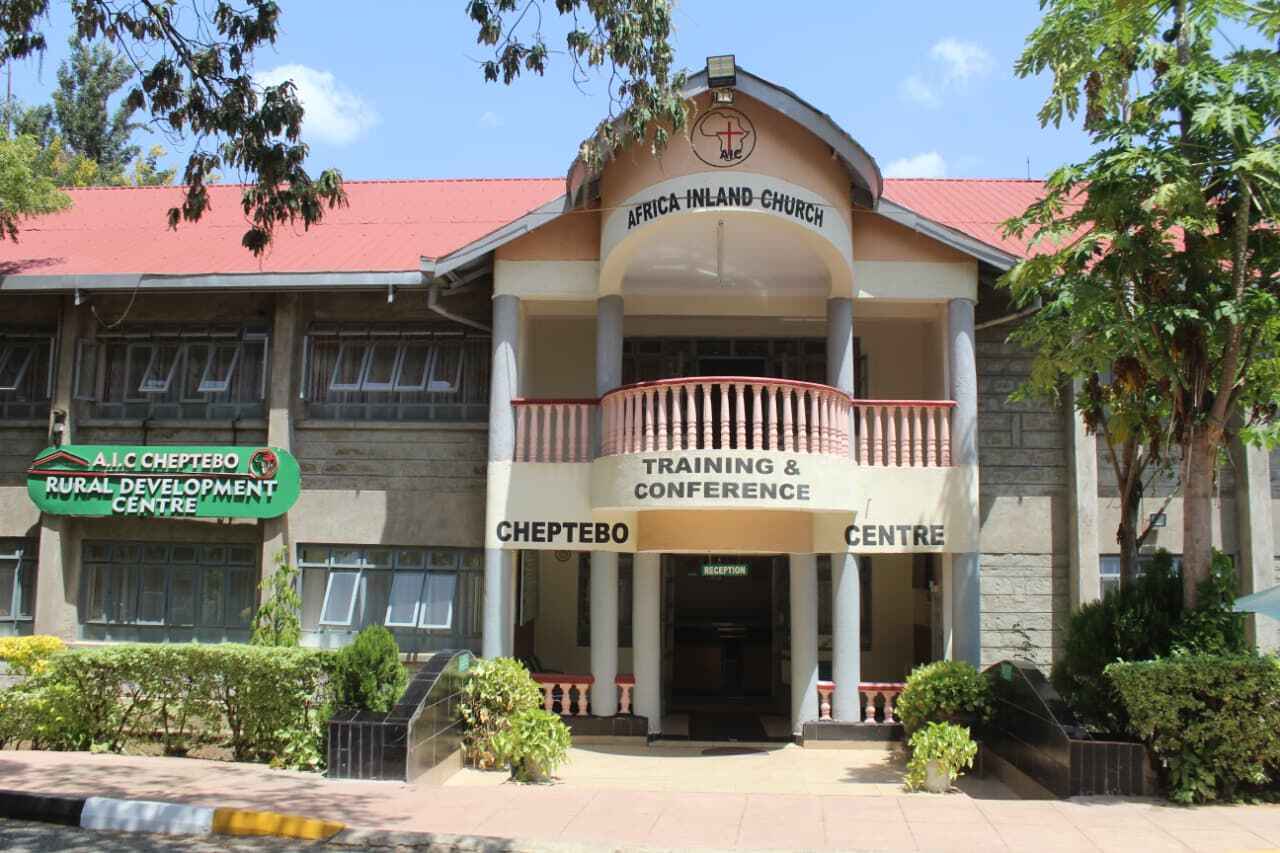
Established in the late 1980s as part of the 20 hectare Cheptebo Centre site, the farm introduces new crops, livestock breeds and production techniques suited to the semi-arid Kerio Valley — while serving as a commercial production unit and training facility for local farmers.
Over 30 years of developing expertise in small-scale farming for semi-arid areas in the Kerio Valley.
The 20 hectare site combines farm, conference facilities, training college and tree nursery in one location.
The farm produces a wide range of crops for demonstration, training and commercial sale throughout Kenya.
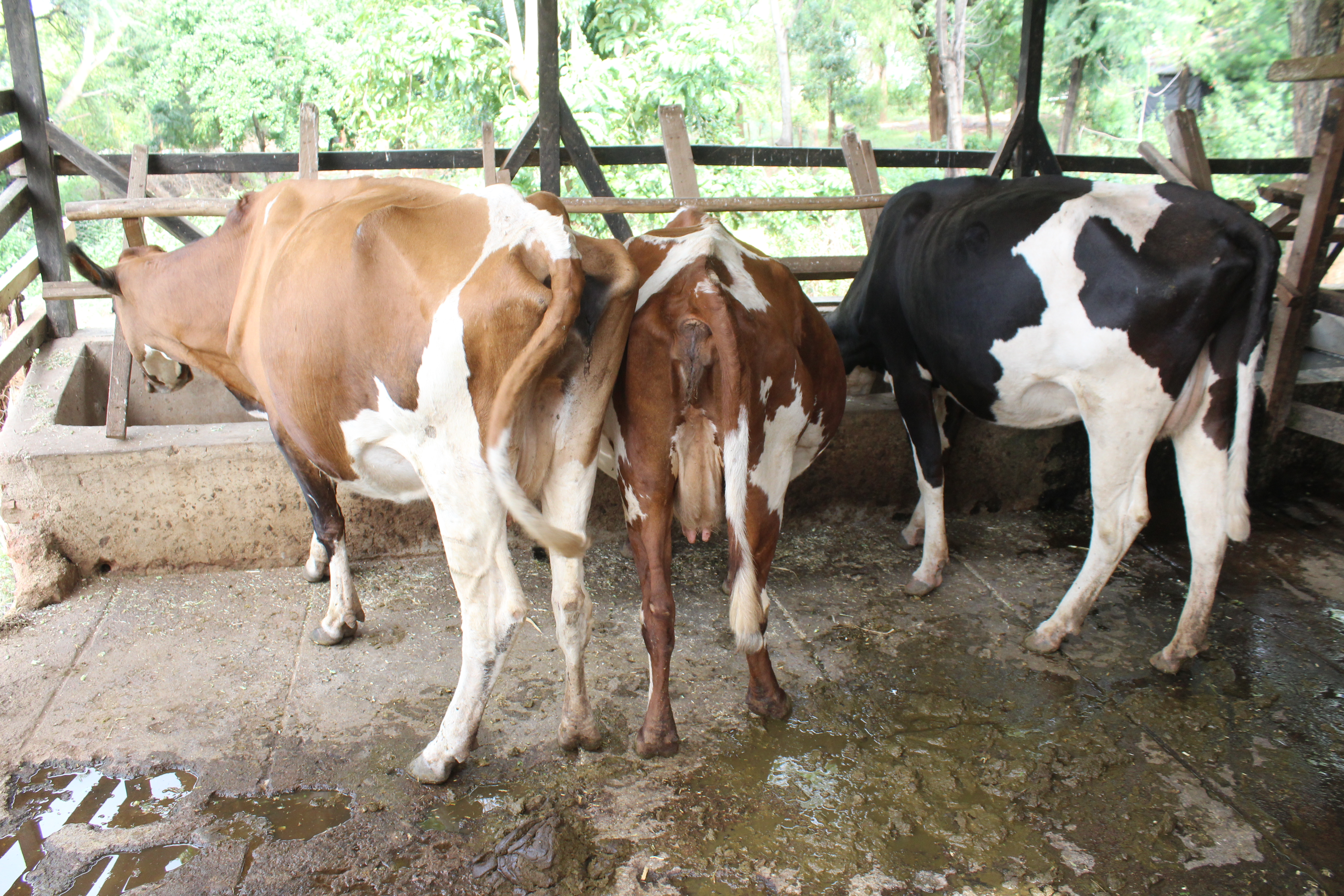
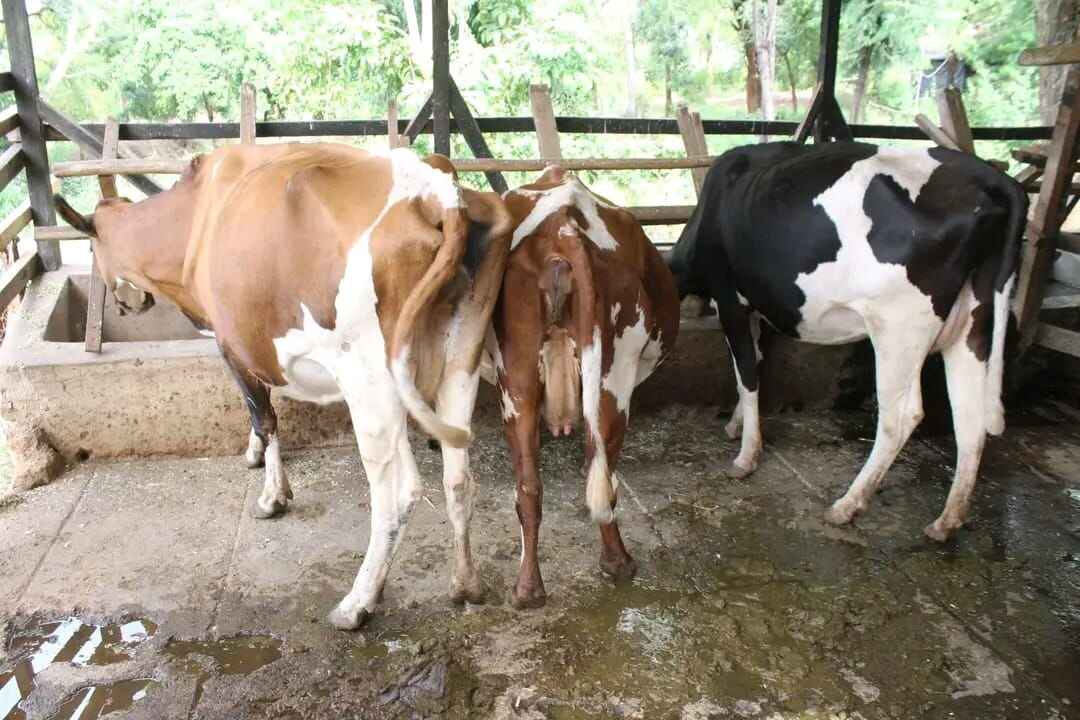
Local unimproved dairy cows in the semi-arid Kerio Valley yield about 1 litre of milk per day. The Cheptebo Centre has worked to upgrade the level of milk production by introducing pure-bred dairy breeds and undertaking a programme of cross-breeding to improve the productivity of local animals.
The first improved animals introduced in 1988 were purebred Jersey cows — very heat tolerant and well-adapted to the Kerio Valley, yielding around 10 litres per day with highly valued high-butterfat milk. Sahiwal cattle, dual-purpose and highly tolerant of hot conditions, were later introduced for cross-breeding. Currently the centre maintains Jersey, Sahiwal cross Ayrshire and Sahiwal cross Friesian animals, with milk yields ranging from 10 to 16 litres per day.
Artificial insemination services are now used for the upgrading programme both at the centre and in the local community. Surplus dairy animals are normally available for sale — contact the Farm Manager for further information.
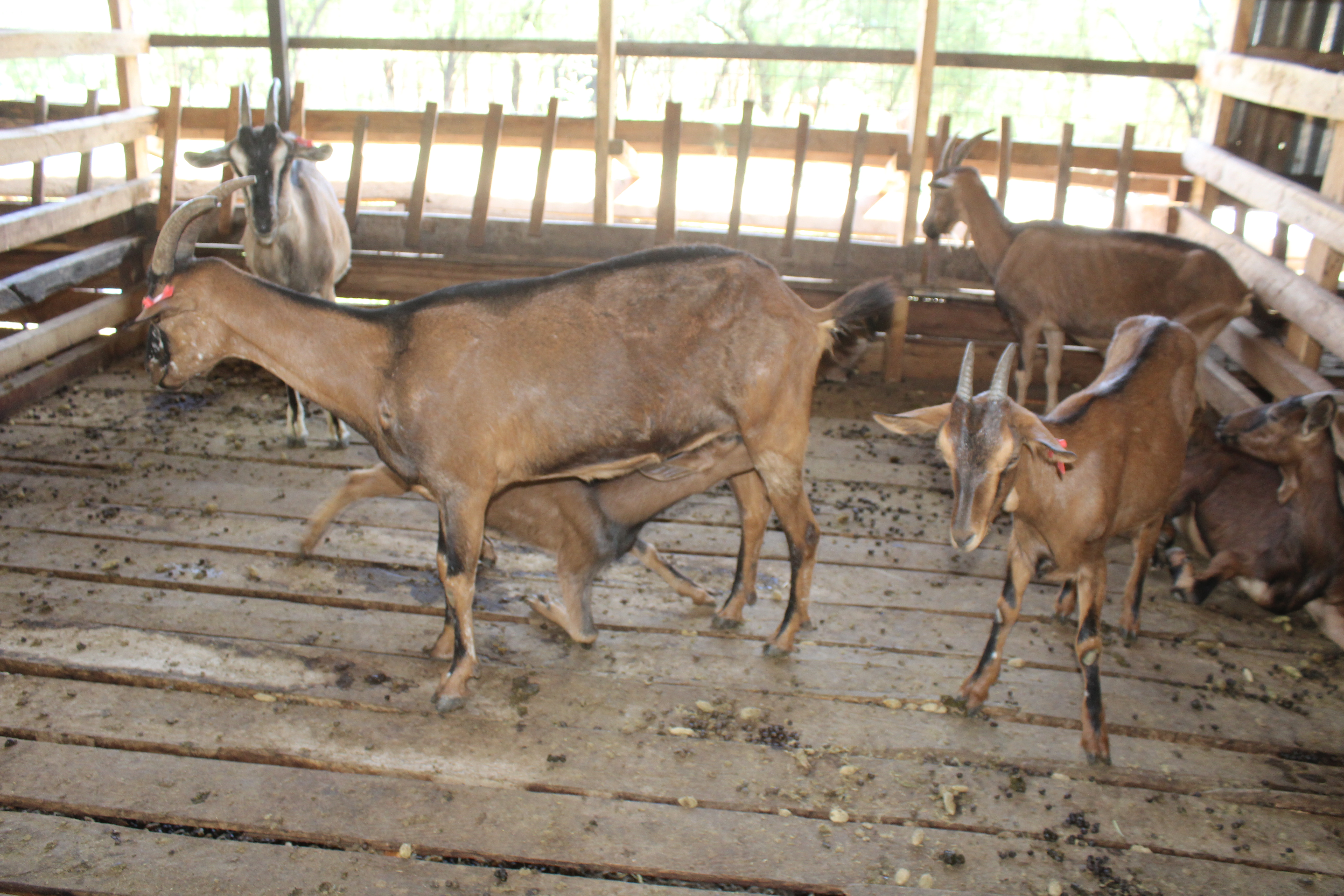
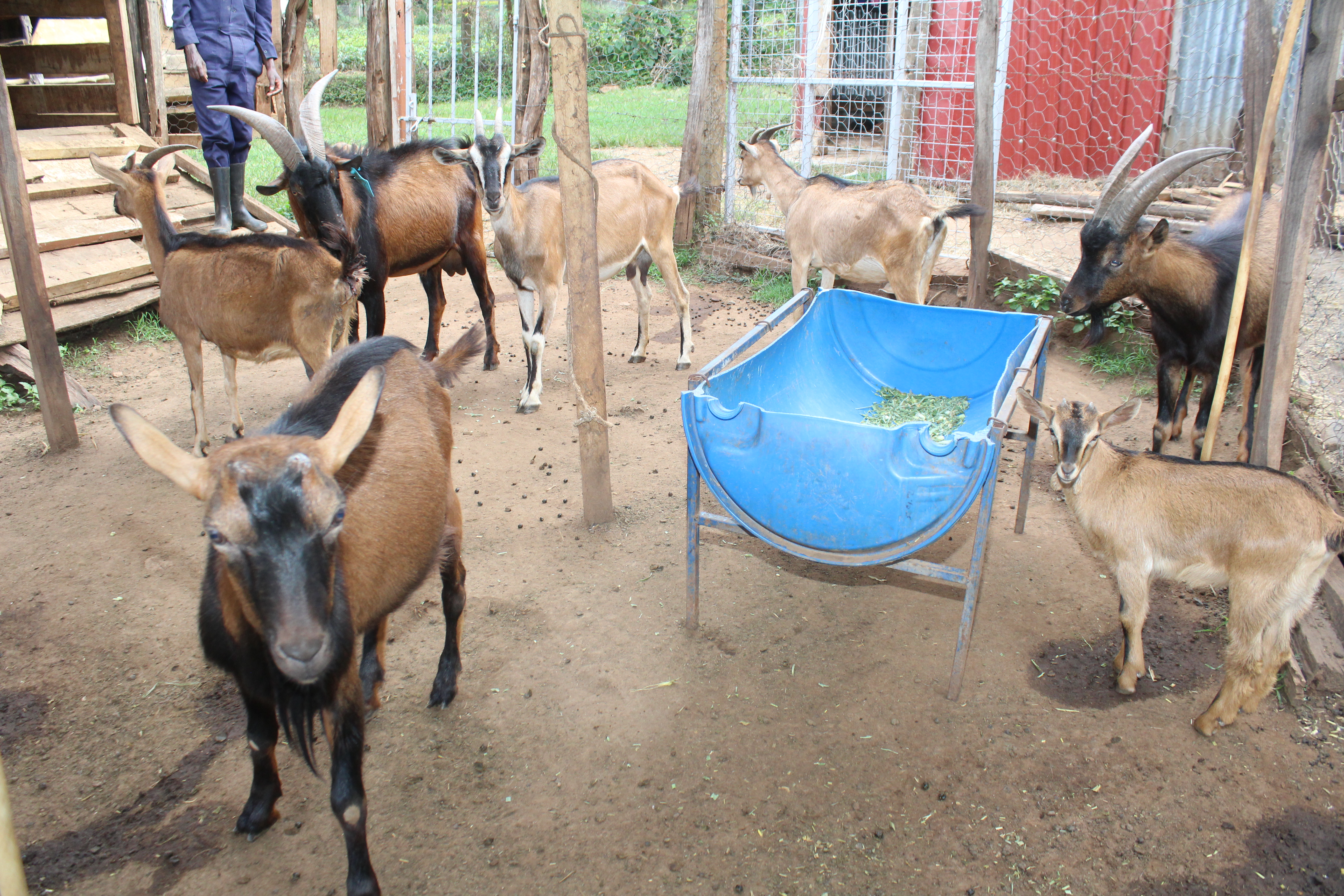
Kenya Alpine dairy goats are maintained at the Centre and a large number are now owned by local farmers. Goat milk is in high demand and commands a price premium over cow's milk.
To achieve their full potential these animals are maintained under zero-grazing conditions. Under good management, milk yields are in the range of 2 to 4 litres per day. Females normally produce at least two kids per year, which are in high demand throughout Kenya. Centre staff provide training and ongoing support for dairy goat owners.
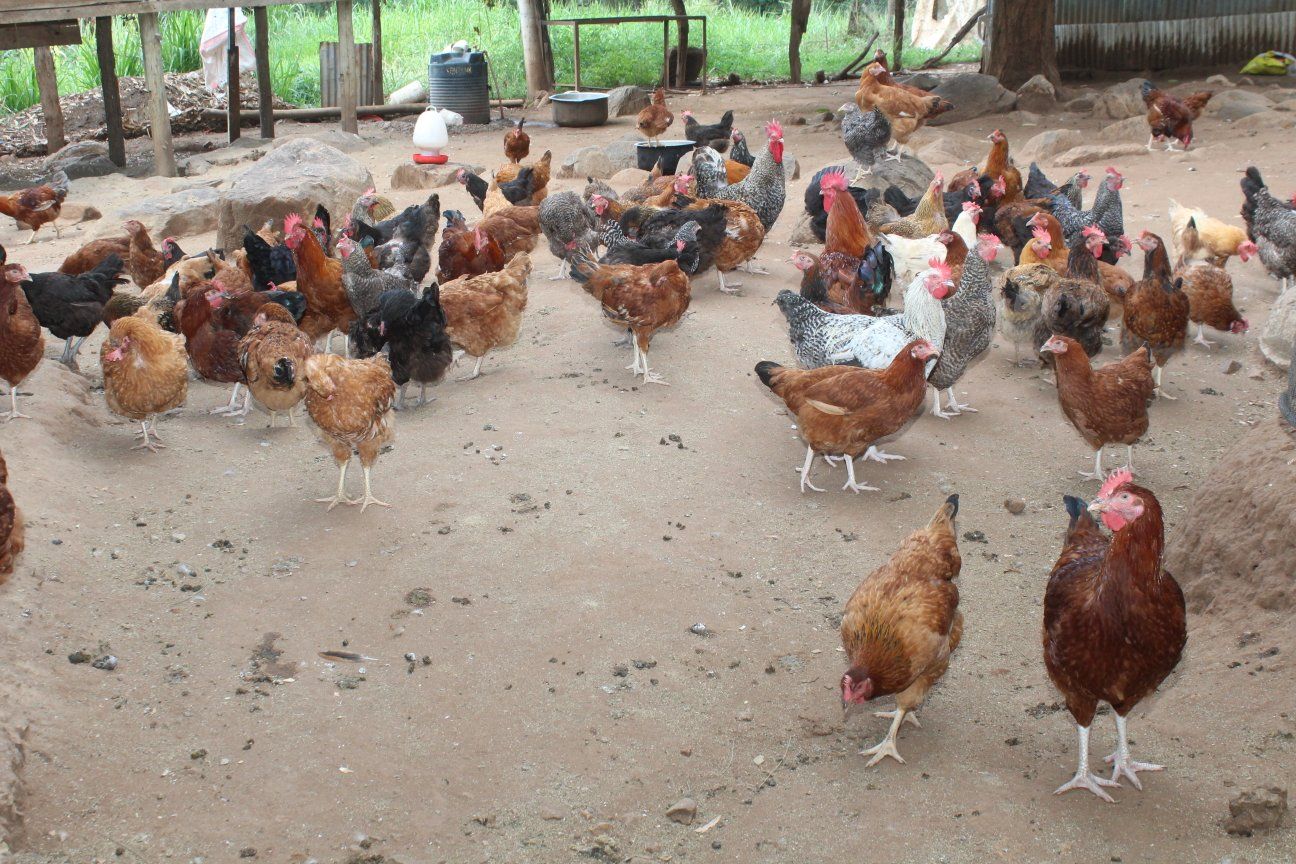
The Centre farm has various poultry units for egg and chicken meat production. The management of both hybrid and local chickens is demonstrated in these units. Much of the produce from these units goes directly to the kitchens of the Conference Centre.
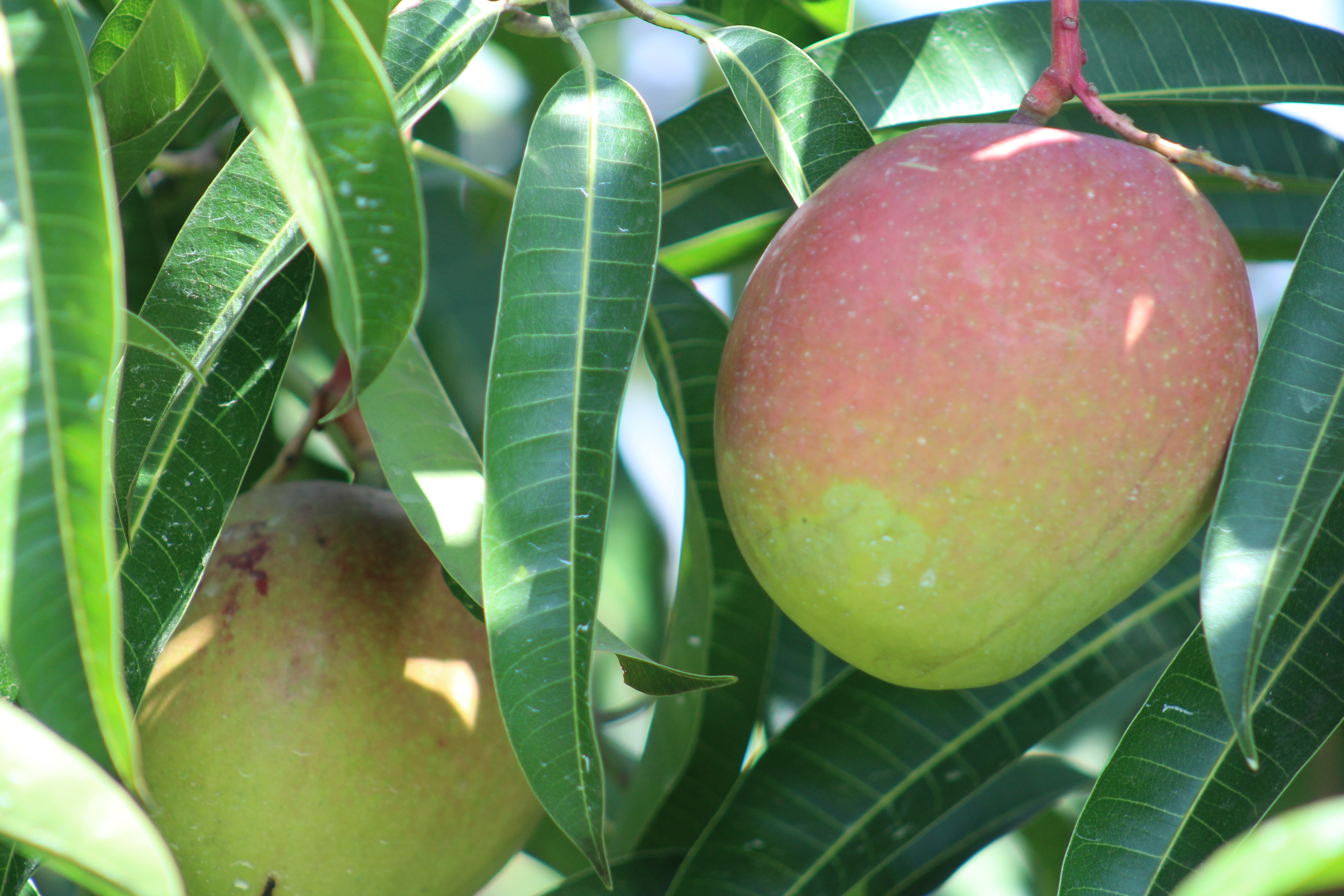
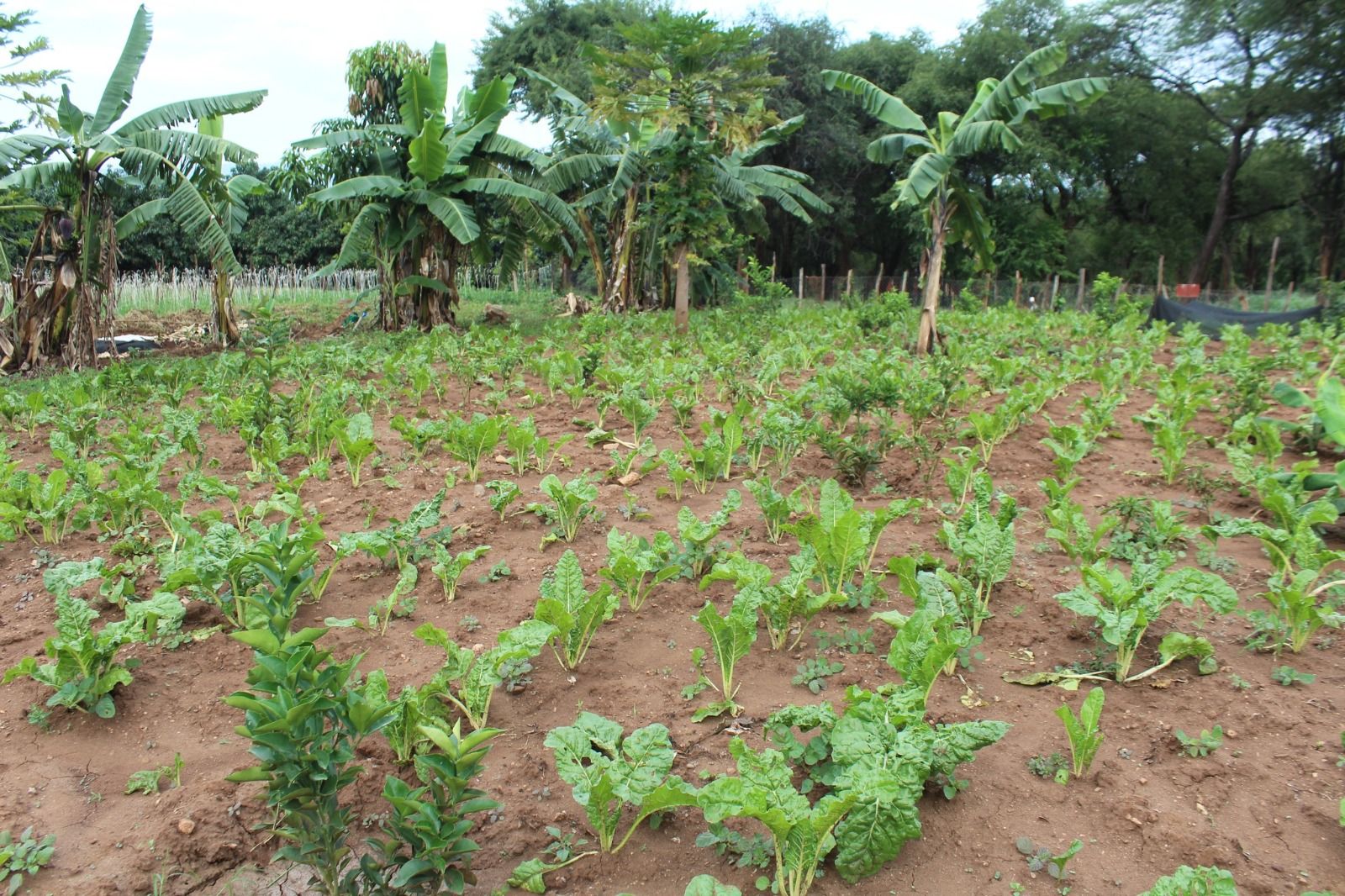
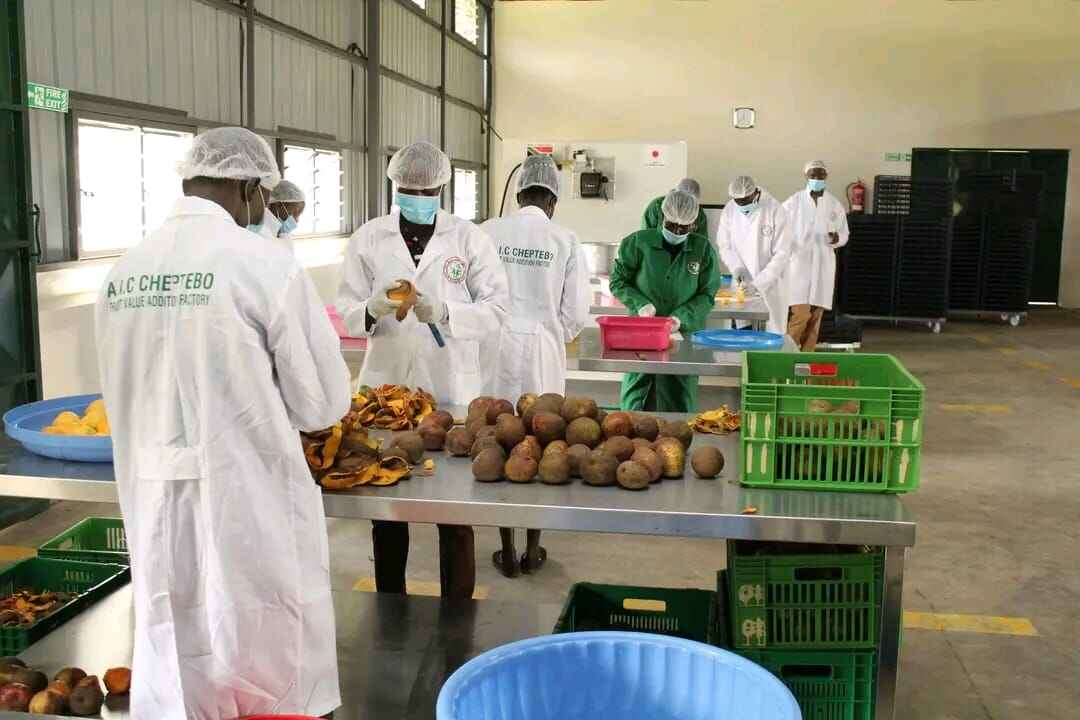
The climatic conditions and soils in the Kerio Valley are particularly suited to fruit production. An extensive area is therefore devoted to these crops. Improved mangos (six varieties), improved bananas (six varieties), pawpaw (two varieties) as well as citrus crops such as orange, lemon and tangerine are grown on the farm.
The farm is used for demonstration, farmer training and commercial production, so a wide range of crops, production techniques and farming systems are employed. Over the past 30 years the farm has developed particular expertise in small-scale farming for semi-arid areas.
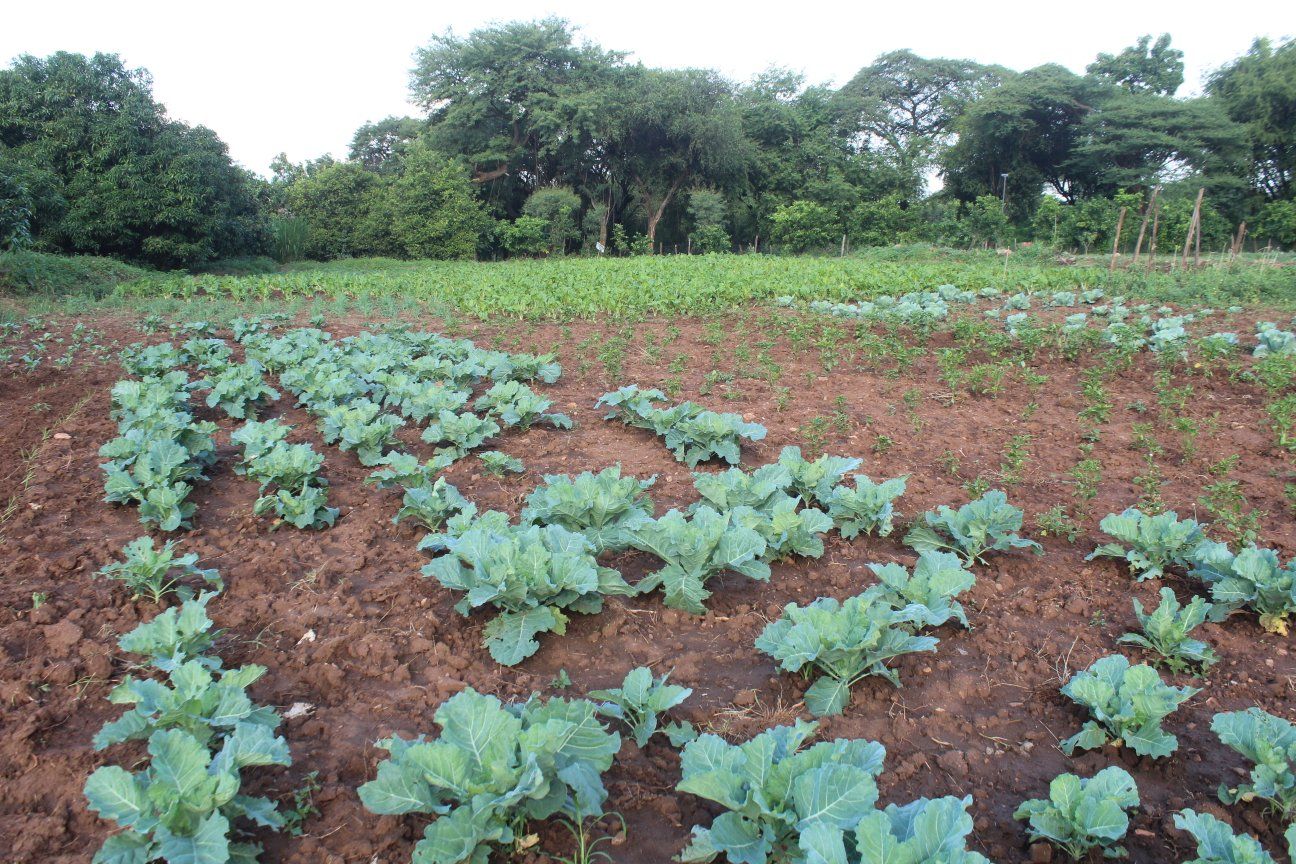
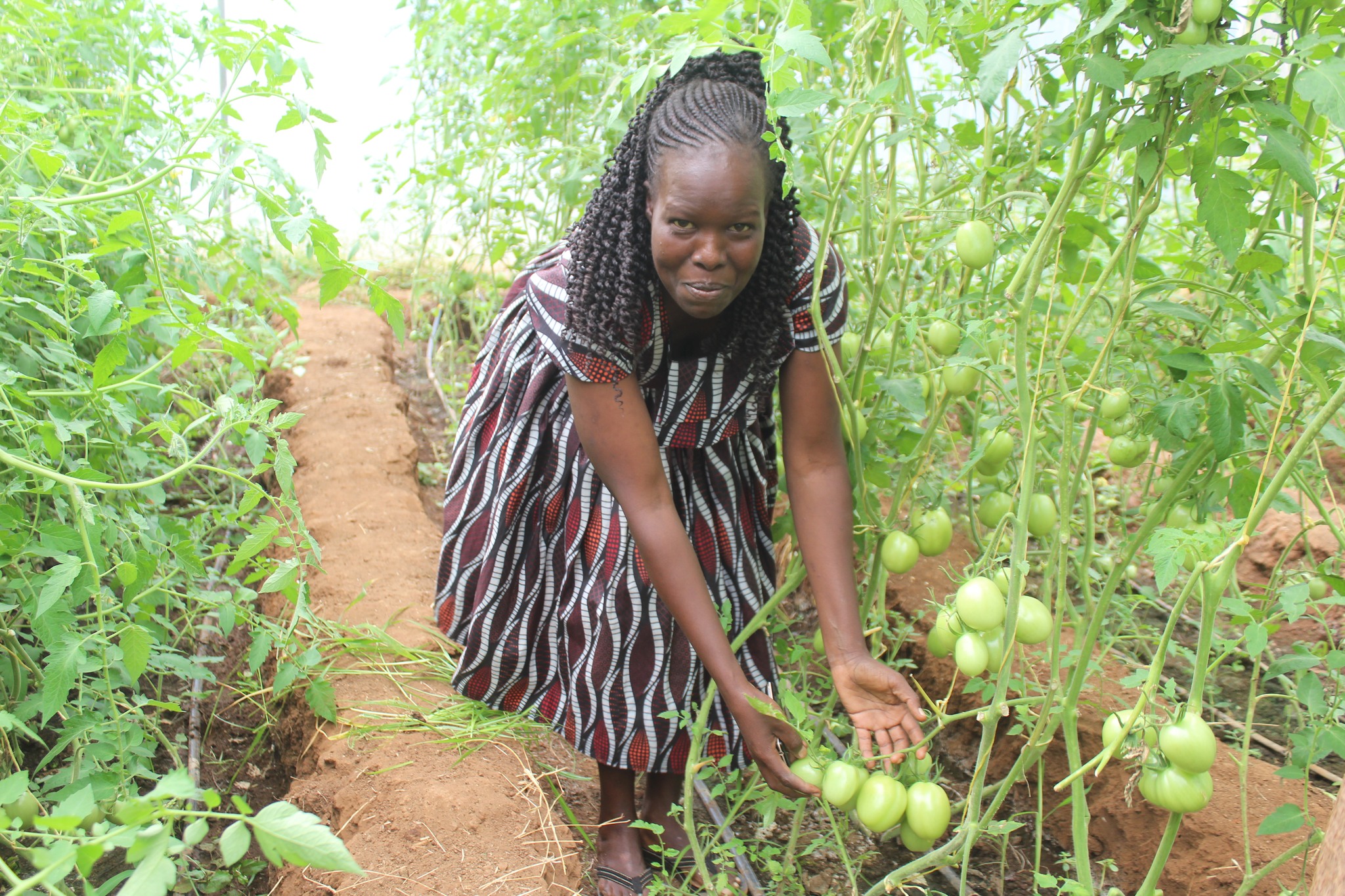
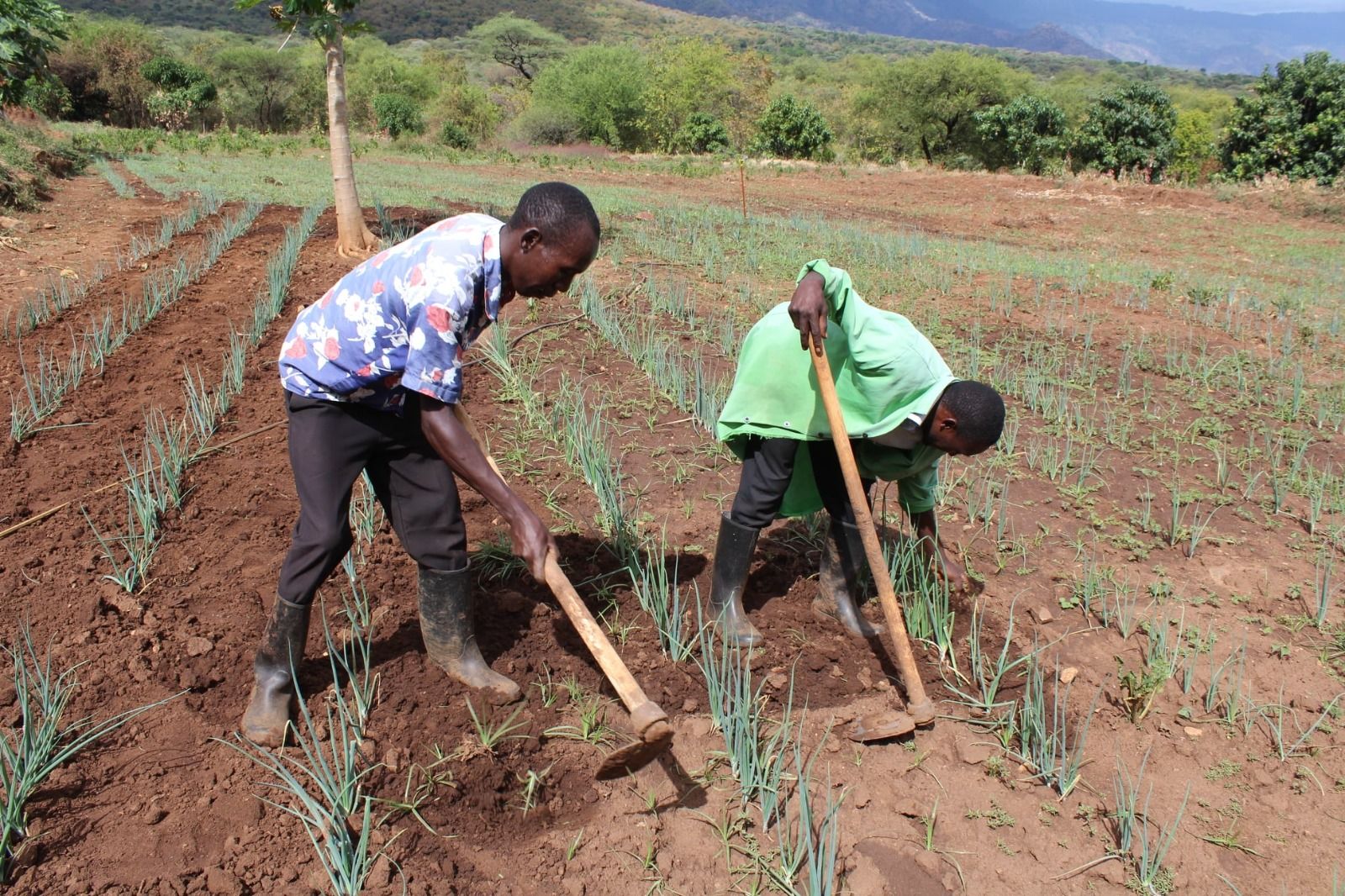
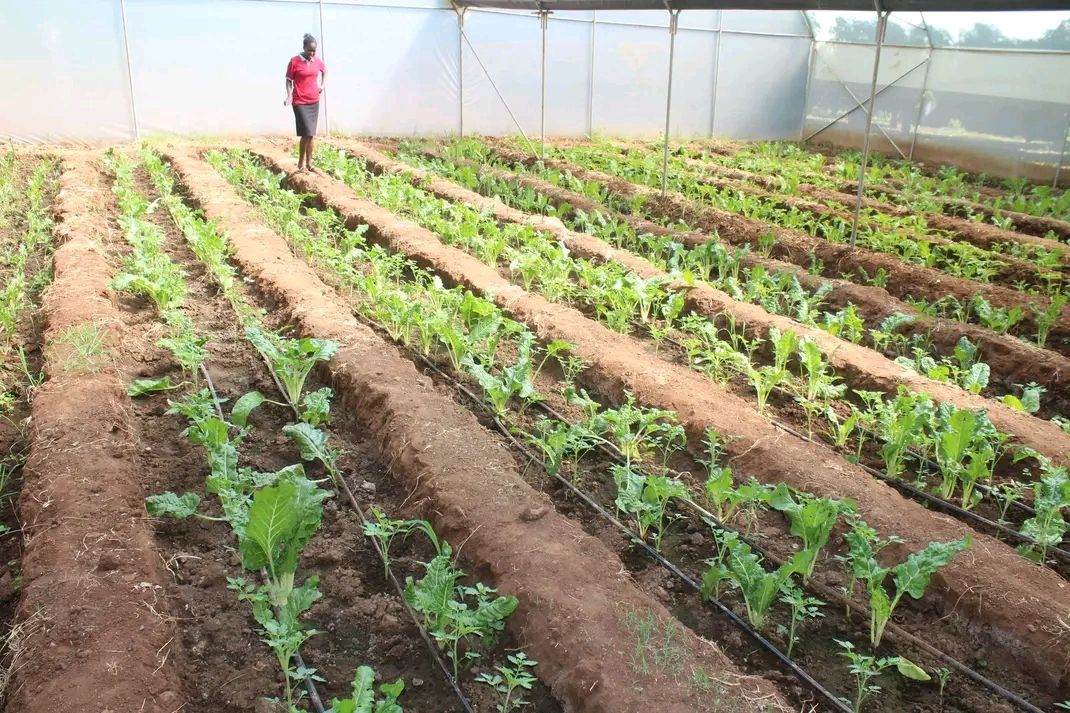
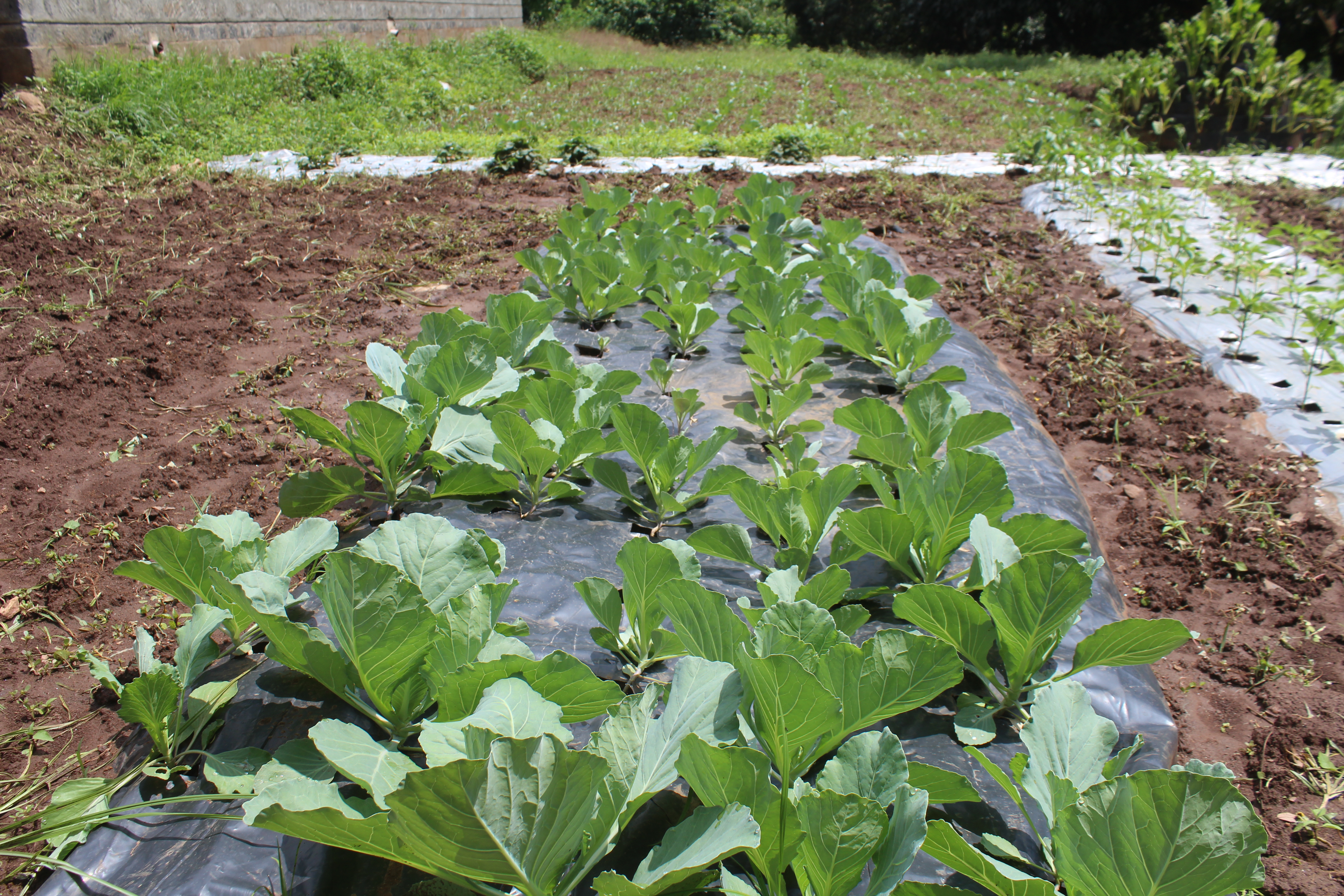
The semi-arid conditions in the area present particular challenges in producing crops suited to temperate areas. However, by careful selection of crop varieties and production techniques, the farm successfully grows a range of vegetables, beans and drought-resistant crops. This is now the particular focus of the demonstration and training activities.
Greenhouse systems have been found to be well suited to horticultural crops even in semi-arid areas, and their use is being expanded on the farm.
The Farming God's Way system — now used in many parts of Africa with impressive results — has been introduced on the farm, allowing a range of previously unsuitable crops to produce excellent yields.
A wide range of vegetable crops, beans and drought-resistant field crops are grown very successfully using carefully selected varieties and production methods.
With limited rainfall and high evaporation rates, crop irrigation is an important consideration for agricultural production in semi-arid areas. Various irrigation systems have been evaluated, and the most beneficial are demonstrated and used on the farm.
The farm utilises and demonstrates furrow, basin and sprinkler irrigation systems. Highly water-efficient drip lines based on Israeli technology are now used extensively in horticultural crop production.
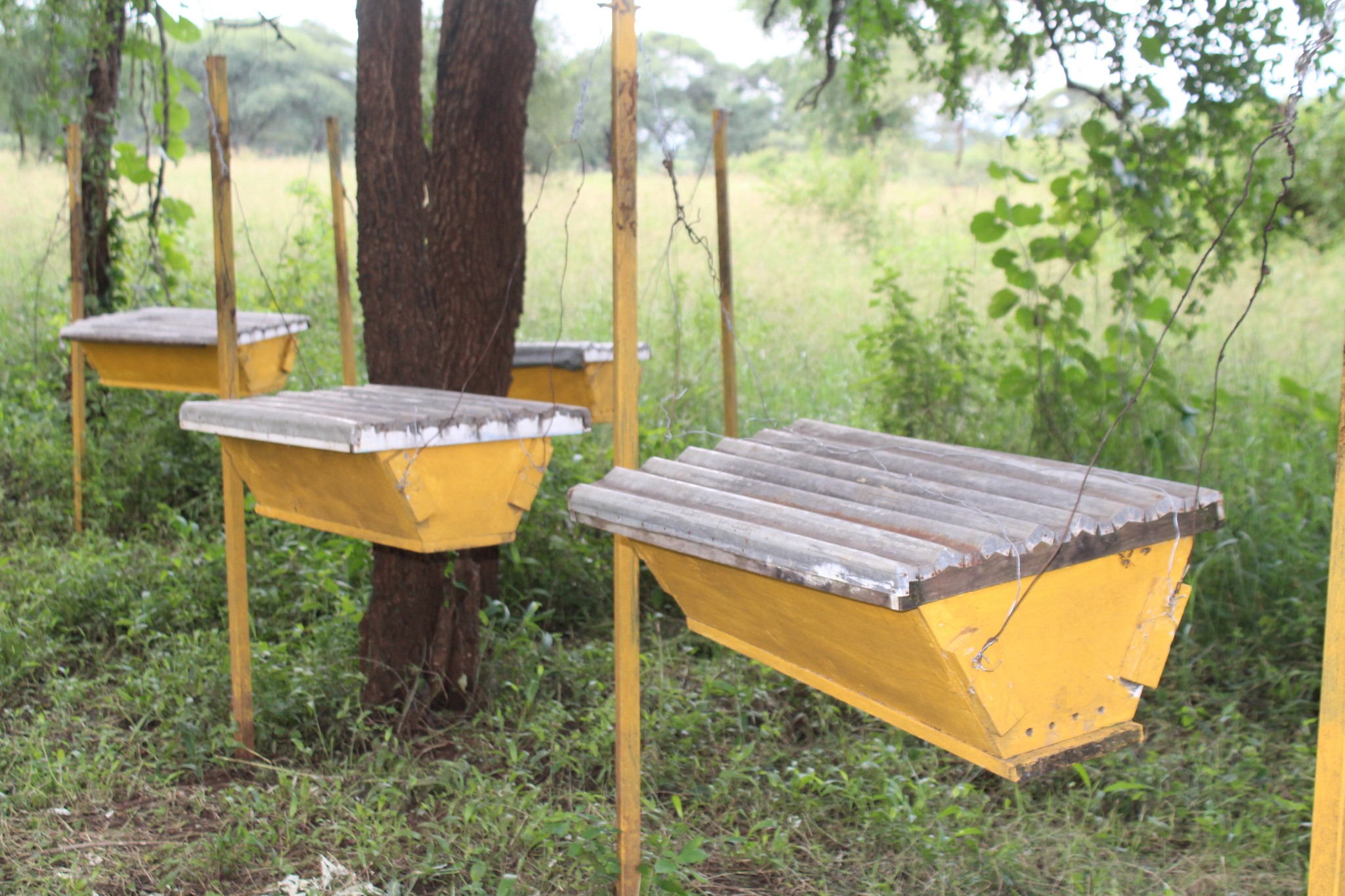
Beekeeping is a traditional activity in the area and log hives are still used widely. The Centre has established an apiary using modern Kenya bar top hives for demonstration and training purposes as well as commercial production. While honey is the main product, beeswax is used to produce a range of skin care and other products.
Modern Kenya bar top hives are used at the Centre for demonstration, training and commercial honey production, replacing traditional log hives.
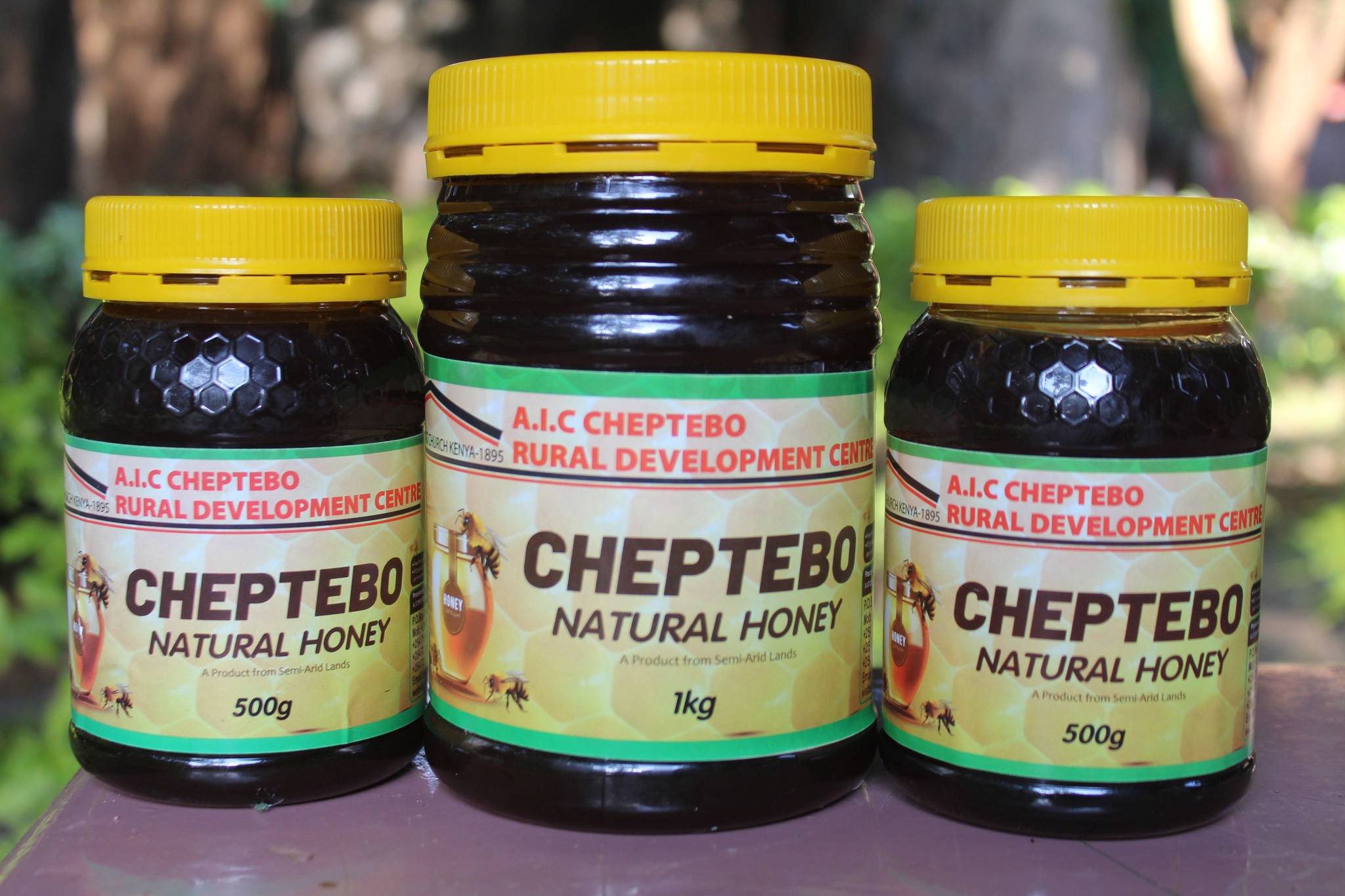
The apiary produces high-quality honey for local sale, while beeswax is processed into a range of skin care and other value-added products.
For information about farm products for sale — including dairy animals, dairy goats, fruit seedlings, farm produce and honey — please contact us directly. We welcome visits, training enquiries and purchase orders.
View Farm Products Price List